Freshwater 2025 Impact Report

Dear Friends,

The world is changing rapidly, and water continues to be at the forefront of many important discussions – from where to responsibly site new hyperscale data centers to how we address safe drinking water for private well owners.

Your support of Freshwater helps us bring measured, science-based information to communities, business, government, and policymakers, fostering better water outcomes for the long term.

This past year, we recruited a fantastic new statewide cohort of over 80 Minnesota Water Stewards, set to receive leadership training in the coming months. We were a leader working across public, private and community sectors in calling for more coordination and transparency around data centers, along with smarter siting and design. We kicked off an ambitious arsenic awareness and well water testing project with partners in eight Southern Minnesota counties. We created culturally responsive opportunities for Minnesota science teachers to incorporate Indigenous perspectives into their curriculum. We also took the opportunity to look back on 50 years of the Minnesota Weatherguide Environment Calendar and Almanac, a tradition of outdoor education that we are proud to carry on with so many talented contributors and partners.

Thank you for championing our work as we collaborate across sectors to build capacity and drive impact for solving the water challenges that lie ahead.

With gratitude,

Michelle Stockness, Executive Director

Michelle Stockness

Our Work for Water

Freshwater’s mission is to inspire and empower people to value and protect water. The following are some key accomplishments from the 2025 calendar year, highlighting our work in the areas of water research, policy, education and engagement.

Explore 2025 highlights, made possible by your generous support.

Click the blue arrows or swipe to change slides.
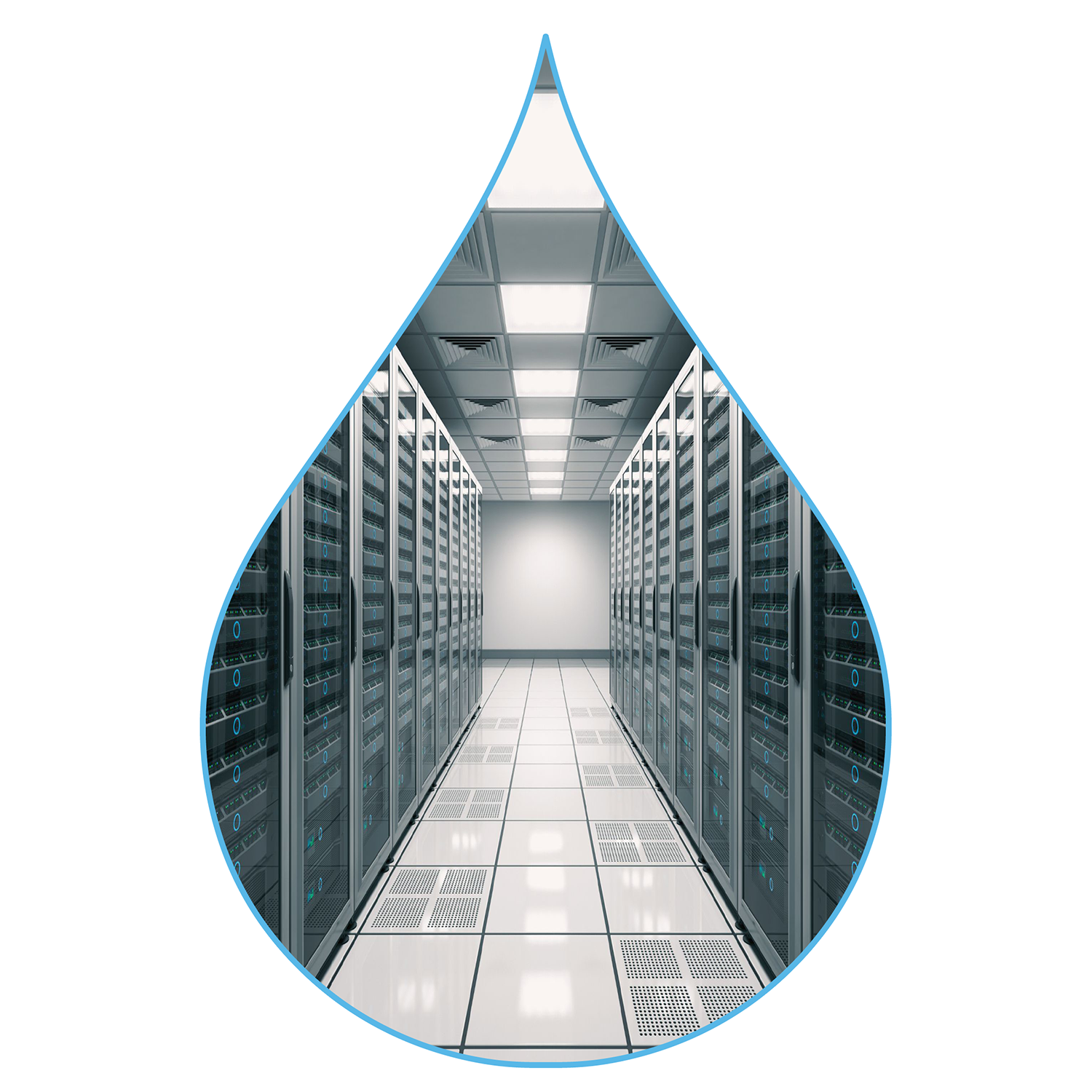
data center drop

Freshwater leads discussions on data centers and large water users

With at least a dozen Minnesota cities considering hyperscale data center proposals, Freshwater has emerged as a leading voice in balancing economic development with long-term water sustainability.

We presented 12 times this past year concerning data centers and high-volume water users, as the topic has been top-of-mind for a wide range of organizations including the Coalition of Greater Minnesota Cities, the Joyce Foundation, Minnesota Women’s Press, Minnesota Watersheds conference, and the American Public Works Association Minnesota chapter.

The Freshwater policy team also engaged in this issue during the 2025 Minnesota state legislative session, which yielded a data center regulatory bill that creates a formal DNR preapplication process for data centers planning to use over 100 million gallons of water annually.

Several factors make Minnesota an appealing location for developers of water intensive industries, including a strong fiber infrastructure, available water supply, a skilled IT workforce, and specific sales tax exemptions. Long-term planning and coordination across agencies and local governments is critical to siting water-intensive projects in the right locations, while transparency throughout the planning process is needed for local communities to engage in the decision-making process.

data center drop
well head

Well testing project raises awareness of arsenic in southern Minnesota

Freshwater kicked off a 3-year project in partnership with the Mayo Clinic and local partners to test private drinking water wells for arsenic in southern Minnesota (Rice, Steele, Freeborn, Waseca, Faribault, Blue Earth, Watonwan, and Martin counties).

Supported by the LCCMR and the Environment and Natural Resources Trust Fund, the Rural Health and Drinking Water project will offer free arsenic testing kits available online through Simple Lab to those living within the project area.

Arsenic is an element found in rocks and soil across Minnesota. When dissolved into groundwater, arsenic can impact the safety of drinking water and can increase the risk of cancer and other health concerns such as cardiovascular and respiratory disease, reduced intelligence in children, and skin problems. A key objective is to educate both private well users and the Mayo Clinic healthcare providers who frequently diagnose and treat preventable diseases linked to chronic arsenic exposure.

well head
Minnesota Water Stewards

New water leaders in training as Minnesota Water Stewards relaunches statewide

Freshwater’s renowned Minnesota Water Stewards program relaunched in a new statewide online format with over 80 participants set to embark on community leadership training in the coming year, including six enrolled in a new curriculum focused on private wells.

Water Stewards learn about the science of water, how water is governed, tools for community engagement, and ways to manage land for water quality. They then complete water improvement projects and serve as leaders and connectors in their communities.

More than 500 Stewards were certified during the first 11 years of the program. This coming year the program is completely free to participants and is available across all of Minnesota. The online course and workshops begin in January and run through May 2026.

Learn more about this work.

Minnesota Water Stewards
2dC performance

Art benefits water: Freshwater partners with local artists on climate change exhibit

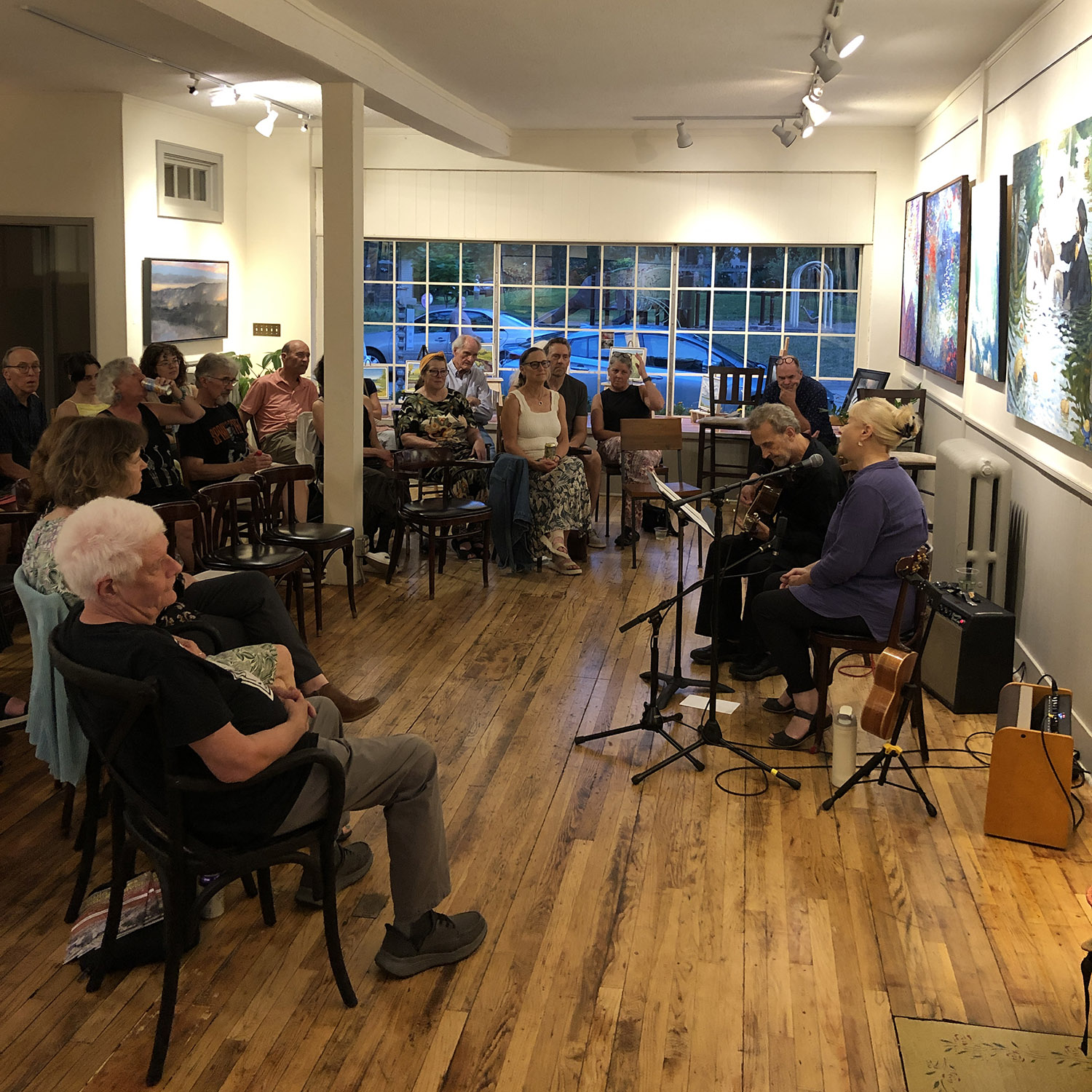
Freshwater collaborated with artists Mark Granlund and Drevis Hager on 2°C, an art exhibit and performance event, at Hamilton Studio in Minneapolis. Themed around climate change, the exhibit’s original oil paintings used powerful metaphor, provocative imagery and dark humor to confront humanity's complex relationship with our fragile planet.

The exhibit ran for 10 days in early August, culminating in a sold-out music and spoken word performance featuring Prudence Johnson, Dean Magraw, Kyle Tran Mhyre and Tom Cassidy. Proceeds from art sales, donations and the event went to support Freshwater's work for water.

2dC performance
Hansen Park visit

Water professionals learn about iron-enhanced sand filter systems

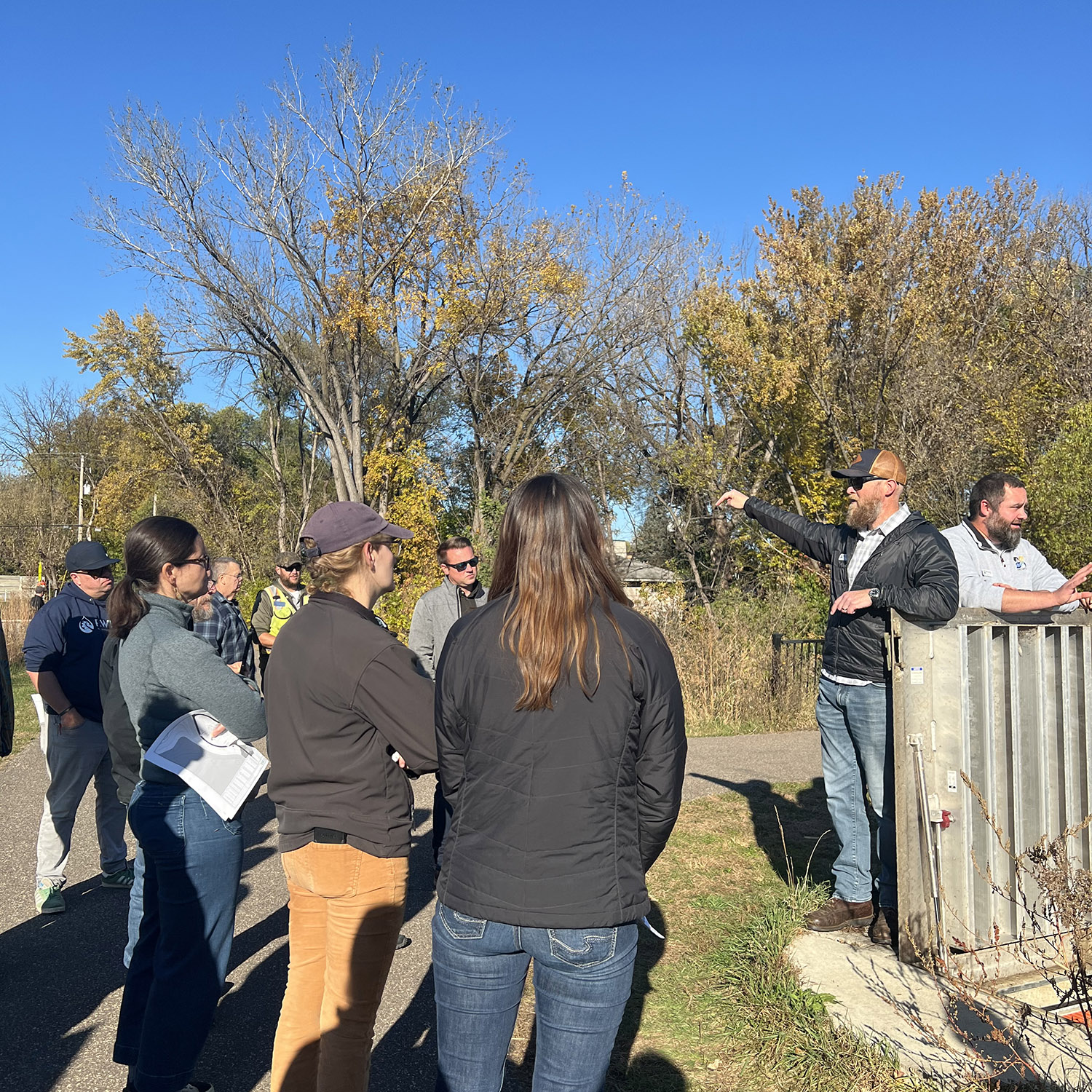
In November, engineers, researchers, and practitioners gathered for a site visit in New Brighton to explore an iron-enhanced sand filter system.

Hosted by Rice Creek Watershed District, attendees got an in-depth look at the design and operations of a stormwater treatment system designed to remove dissolved phosphorus from stormwater.

This learning is part of a larger series of iron-enhanced sand filter learning opportunities led by Freshwater in partnership with the University of Minnesota’s Water Resources Center and Rice Creek Watershed District.

Learn more about this work.

Hansen Park visit
Weatherguide 50th anniversary

Freshwater hosts Weatherguide 50th Anniversary Celebration

Freshwater celebrated 50 years of the Minnesota Weatherguide Environment Calendar and Almanac in October at CLA Connect in Eagan, a warm gathering of Weatherguide contributors and fans.

KARE 11 Chief Meteorologist Belinda Jensen hosted a fun and interactive program featuring a video to pay homage to Jim Gilbert, who has been the Weatherguide's phenology consultant since the inception, and a panel discussion featuring MPR Chief Meterologist Paul Huttner, Minnesota DNR Assistant State Climatologist Pete Boulay, and Jeffers Foundation Director of Education David Grack. The event continued with lunch, providing opportunities for networking and an immersive walkthrough of the 50 Years of the Weatherguide display in a separate space.

First published in 1977, the calendar began as a tool for sharing science and weather information. Over the years, it has evolved into a vibrant celebration of Minnesota’s outdoors, featuring stunning photography, phenology, astronomy, weather, and Ojibwe cultural information. Today, the Weatherguide serves as an outstanding educational resource for exploring Minnesota’s natural world and is enjoyed by both nature enthusiasts and classrooms alike.

Weatherguide 50th anniversary
Groundwater Governance phase 2 report

Freshwater publishes second report on groundwater governance in the Great Lakes

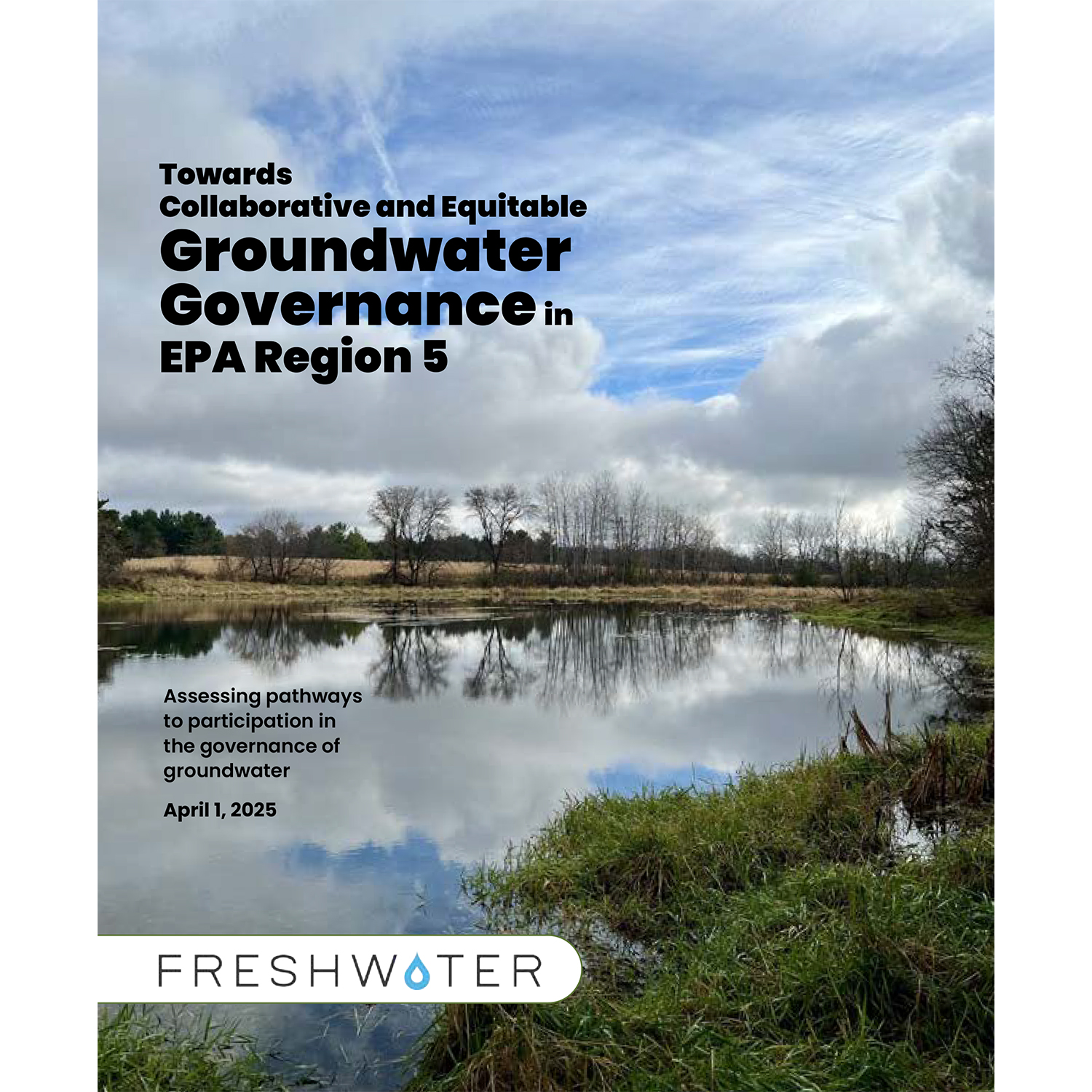
In April, Freshwater published a new report, Towards Collaborative and Equitable Groundwater Governance in EPA Region 5, concluding our second phase of work on groundwater governance funded by The Joyce Foundation.

The report includes a series of topics that Freshwater explored during the 18-month project such as treaties, regional and local groundwater governance, and communicating groundwater science.

At every level, there is a need for cohesive regional water governance, including clarity on which jurisdictions share groundwater and how to collaborate equitably. This report lays out best practices and existing barriers in hopes of developing regional groundwater governance systems based on common understanding that fosters inclusive prosperity, ecological health, and repairs past harm, while being resilient to climate and population stresses over the next generation.

Learn more about this work.

Groundwater Governance phase 2 report

Indigenous science curriculum offers cultural perspectives for Minnesota teachers

With support from the Environment and Natural Resources Trust Fund and the University of Minnesota's Institute on the Environment, Freshwater partnered with faculty at UMN and Bemidji State University to support teachers as they work towards integrating perspectives from Minnesota's Tribal communities into their science teaching.

The program offers culturally responsive opportunities for teachers to bridge the preparation gap as they address the new Minnesota State Science standards with specific consideration of both Indigenous and Western perspectives. It also offers supported delivery of classroom curriculum that exposes middle- and high-school students to water-based job opportunities and careers, particularly focusing on broadening representation of Indigenous youth pursuing natural resource management careers.

Currently, there are three unique offerings for teachers: a professional learning community, a guided book club, and experiential workshops.

The professional learning community is structured as a series of online learning opportunities that feature a guest speaker and time to work with colleagues on curriculum development. The book club explores Kinship: Belonging in a World of Relations, a series that delves into our deep interconnections with the living world. Finally, the experiential workshops are scheduled throughout the year to immerse teachers in seasonally relevant teachings and practices.

Learn more about this work.

Thanks to our Donors and Members

Freshwater Staff and Contractors

Michelle Stockness, Executive Director
Jaron Cramer, Director of Philanthropy (new in 2026!)
Alyssa Fabia, Tribal Outreach and Research Coordinator
Carrie Jennings, Research and Policy Director
Sinthya Juviani, Marketing and Development Coordinator
Chyann Mosey, Program Manager
Laura Murphy, Brand Partnership Manager (contract employee)

Alison Nesler, Operations Coordinator
Chris O'Brien
, Public Affairs Director

Cathy Rucci, Finance Director
Seth Thompson, Programs Director
Alex Van Loh, Programs Manager

Freshwater Senior Programs Manager Kris Meyer retired at the end of June 2025. We are grateful for her lasting contributions to Freshwater's mission. 

Freshwater Board of Directors

Dave Leuthe, Chair
Corey Lohmiller, Treasurer
Laura Pagano, Secretary
Beth Carreno
Jacques Finlay
Ryan Godfrey

Barb Huberty
Ali Ling
Sam Lobby

Josephine Marcotty
Paula Sunde

Doug Thomas

Notable Numbers for 2025

Community members and businesses supported Freshwater
Water Steward volunteer hours reported
People engaged through Minnesota Water Stewards
Freshwater newsletter subscribers
Monthly sustaining members
Votes for cover of the Minnesota Weatherguide wall calendar

Financial Summary

Over the past fiscal year, Freshwater continued to demonstrate financial resilience and disciplined stewardship while expanding its impact across the region. For FY2025, the organization ended the year with a planned drawdown of net assets to sustain program delivery during a year of reduced revenue. These year‑over‑year shifts underscore the dynamic nature of Freshwater’s work, the organization’s commitment to meeting urgent water challenges, and the important role that members, donors, and institutional funders play in providing the financial resources to power Freshwater’s mission.

Total operating revenue (excluding investment returns) reached $1,056,070, driven by a solid base of philanthropic partnerships, grants, and earned income sources such as Weatherguide calendar sales and contracted professional services. Investment returns (interest and realized gains) of $485,863 provided additional support, demonstrating the long-term value of prudent endowment management and diversified investment strategies.

Expenses totaled $1,953,357, down from $2,191,340 in FY2024. This trimming down of expenses reflects Freshwater’s commitment to careful spending and continued efforts to reduce annual deficits. Approximately $1,328,992 or 68 percent of total expenditures directly supported programmatic efforts, with fundraising and administrative costs remaining efficient. This allocation reflects Freshwater’s continued prioritization of mission delivery even during a year of constrained revenue.

Freshwater concluded the fiscal year with $4,579,583 in net assets, including a strong endowment that provides both interest income and ongoing stability for future work. The majority of these net assets remain invested in long-term reserves and endowment funds that support program continuity and long-range stability. However, the trend of deficits in recent years indicates the importance of continued focus on strengthening financial flexibility and expanding unrestricted support.

FY2023 reflected unusually strong revenue driven by one-time funding sources and favorable market performance. FY2024 and FY2025 reflect a return to more typical revenue levels combined with strategic investments in staffing and programming.

Looking ahead to FY2026, Freshwater is taking proactive steps to reinforce its financial health by committing to a balanced budget, investing in development staff capacity to increase charitable revenue, and offering new ways for members, donors, and institutions to contribute. Freshwater’s FY2026 financial strategy focuses on restoring operating balance, strengthening unrestricted revenue, and protecting long-term reserves to ensure continued impact for decades to come. These efforts position the organization to advance its impact while maintaining a sustainable financial foundation.

Financial Overview FY2025 FY24 FY23
Total Revenue $1,422,614 $1,665,653 $2,836,399
Total Expenses $1,953,357 $2,191,340 $1,624,053
Revenue Less Expenses $(530,743) $(525,687) $1,212,346
Total Assets $4,904,711 $6,397,627 $6,984,281
Total Liabilities $325,128 $192,252 $253,219
Net Assets $4,579,583 $6,205,375 $6,731,062

*As reported in FY2025 audited financial statements.

View our annual financial documents:
Standards WebRGB_square

Accountability and transparency are important to us.
Freshwater is proud to be a Meets Standards organization with the Charities Review Council.

Making a Difference

"Clean water is an essential part of life."

— Cathy Burand, Freshwater sustaining member

My collaboration with Freshwater Society truly helped me develop a deeper understanding of my creative mission, and strengthened my commitment to using art as a powerful form of ecological advocacy.

— Matthew Whiram, musician and Minnesota Water Steward

"I'm a Freshwater member because I'm concerned about our water for the future of my children and grandchildren."

— Freshwater sustaining member

“I recently completed some river cleanup events through your organization, and I wanted to reach out to show my gratitude and give thanks for this opportunity. I appreciate how simple it is to set up these events, and how easy it is to make a difference when using your resources.”

– Adopt a River volunteer

"The Art For Water program is an important tool in the fight for clean water, and I am thankful to be a part of it."

— Devon Hugdaul, artist in Freshwater's Art for Water program

"As Water Stewards, we’re on the front lines of changing the environment working on rain gardens, French drains, rain barrels, pollinator gardens and lawns, sidewalk salt reduction, and lawn sprinkler reduction."

Chris Kunz, Water Steward and sustaining member