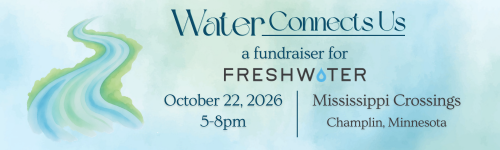
Indigenous communities across Minnesota have a long history of engagement with environmental conservation and sustainability, yet much of the science that traditionally informs Minnesota's approach to water conservation does not include Indigenous knowledge and perspectives. To ensure an environmentally literate society that is equipped to protect Minnesota’s waters, we are implementing educational resources and opportunities that are diverse, equitable, inclusive, just, and help learners make informed choices that support sustainable natural resource management. In partnership with Bemidji State University and the University of Minnesota, we are uniting multidisciplinary scientists with teachers and students to promote environmental literacy and intercultural understanding.
Supporting Minnesota Teachers
In Minnesota's State Science Standards, students are expected to meet a number of new benchmarks related to Minnesota Tribes & communities. While this integration into the standards represents a significant step forward in ensuring that traditional knowledge and Indigenous ways of knowing are reflected in the teaching of Science for Minnesota youth, we recognize that it is important to support teachers to instruct their students on these topics.
We're offering the following culturally responsive opportunities for teachers to bridge the preparation gap as they address the new Minnesota State Science standards with specific consideration of both Indigenous and Western perspectives. Additionally, we'll also pair our teacher workshops with supported delivery of classroom curriculum that exposes middle- and high-school students to water-based job opportunities and careers, particularly focusing on broadening representation of Indigenous youth pursuing natural resource management careers.
Professional Learning Community
This professional learning community (PLC) will support Minnesota educators as they work to integrate Indigenous science into their classrooms. They are structured as a series of online learning opportunities that feature a guest speaker and time to work with colleagues on curriculum development.
Registration is NOW OPEN for Fall 2026 PLC sessions!
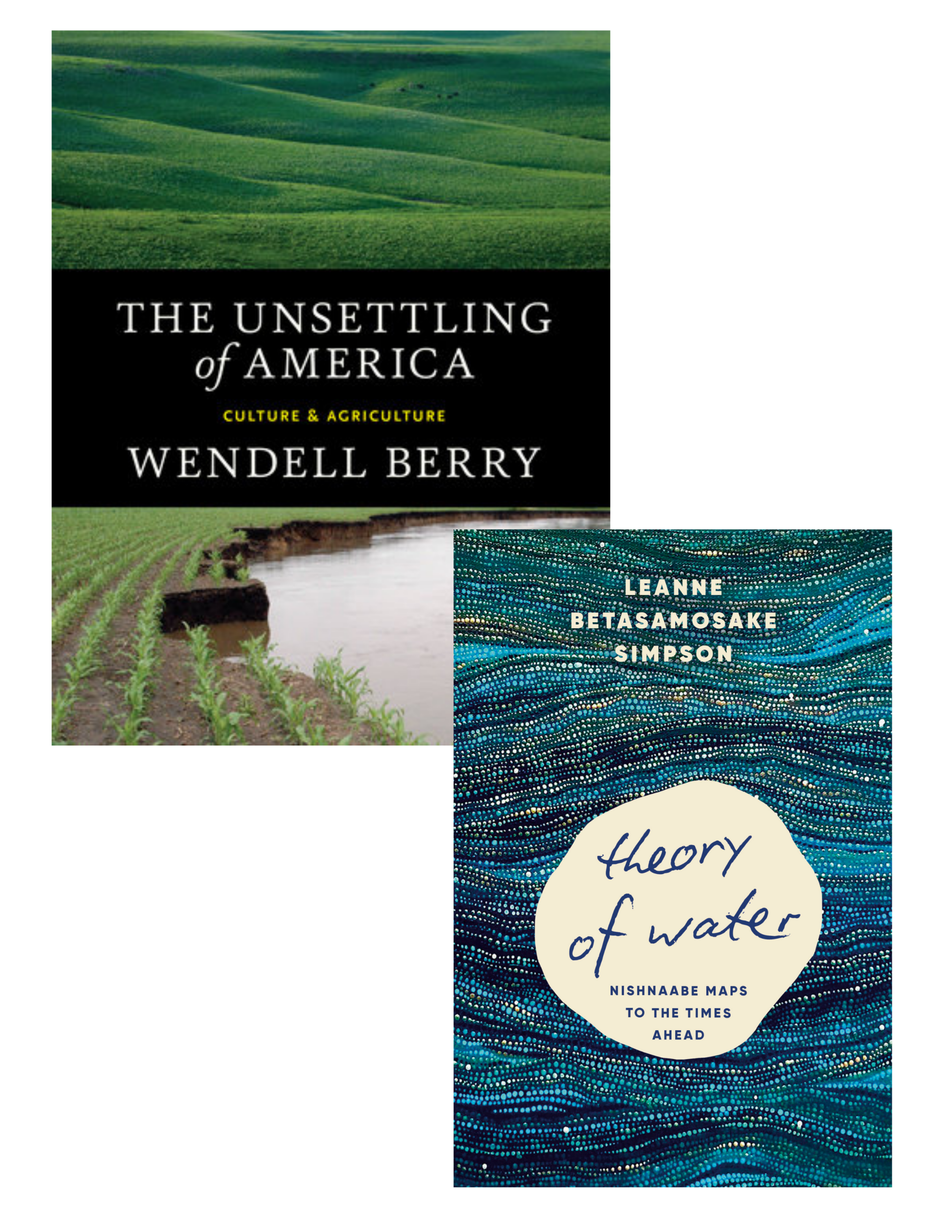
Book Club for Teachers
Environmental Ethics Book Club: Exploring Pathways for Responsible Cooperation
Join us as we embark on a thoughtful exploration of the intersection between culture, relationality, and environmental responsibility.
Participation is limited to 25 teachers.
Upcoming Professional Development Events
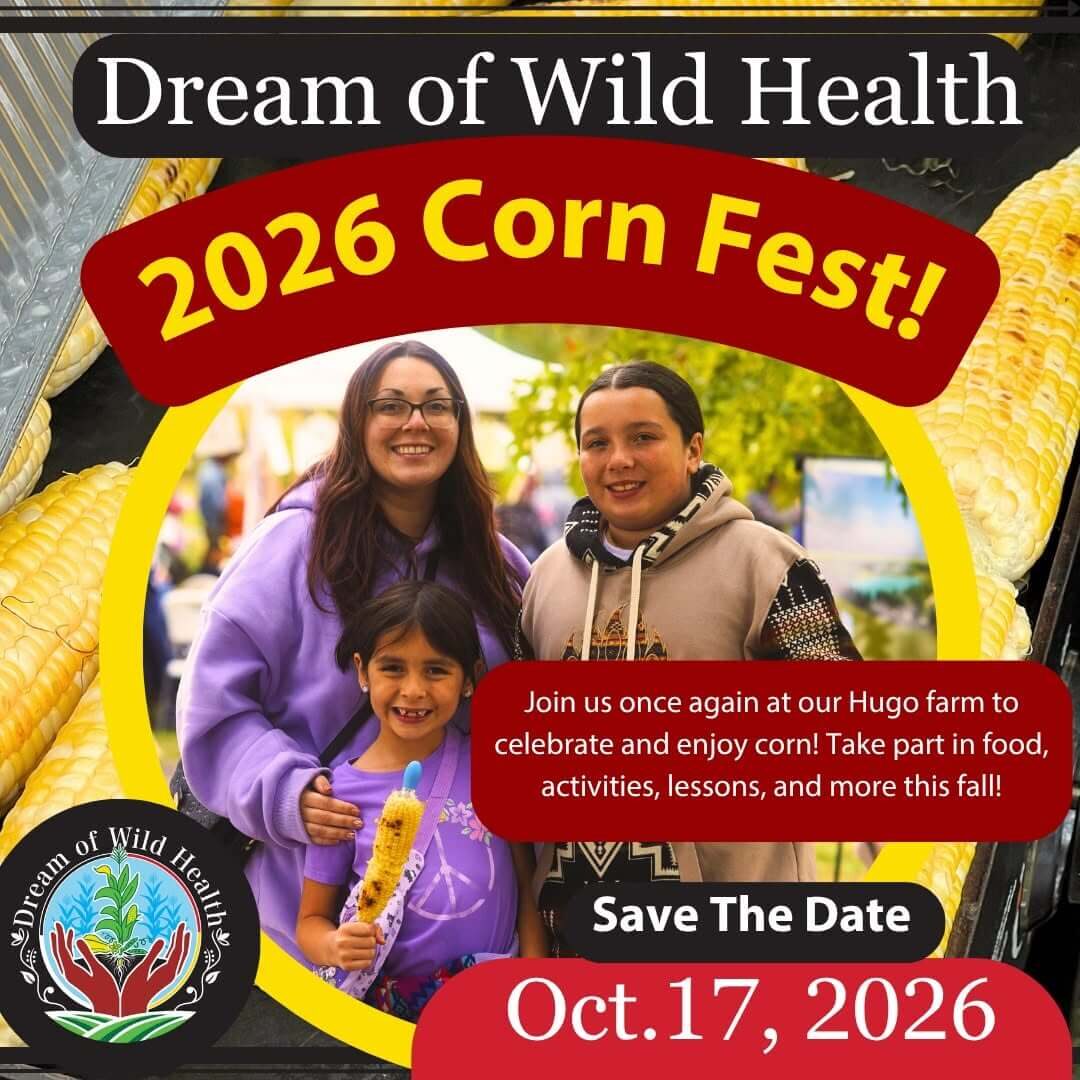
2026 Corn Fest
SATURDAY, October 17 from 12:00 - 4:00 PM
Come and explore traditional ecological knowledge and the nutrition and food science of corn, maize, wamnaheza (Dakota) or mandaamin (Ojibwe) at the Dream of Wild Health Farm!
Spend some time enjoying the corn, lessons, and activities offered by our partner Dream of Wild Health, then stop by our Teacher Professional Development table for free resources and consultation on how to apply your learning from events like this and other Indigenous knowledge to your science teaching.
Resources for Teachers
Check out these Resources for Teachers for more ways to bring Indigenous science into your classroom.
Funding for this project was provided by the Minnesota Environment and Natural Resources Trust Fund as recommended by the Legislative-Citizen Commission on Minnesota Resources (LCCMR). The Trust Fund is a permanent fund constitutionally established by the citizens of Minnesota to assist in the protection, conservation, preservation, and enhancement of the state’s air, water, land, fish, wildlife, and other natural resources.
 This work is supported by a University of Minnesota Institute on the Environment Impact Goal grant, 2023-2026, titled “Delivering Culturally Integrated Sustainability Education Through Supported Teacher Professional Development.,” under Grant No. IG 72.