For many Minnesotans, safe drinking water is something they trust without a second thought. Turn on the tap, fill a glass, and move on with the day. But for the 20 percent of Minnesotans who rely on private wells and groundwater, that trust can come with hidden risk.
“Drinking safe water, to me, means something very simple but very important: Water that people can use every day without unknowingly harming their health,” said Dr. Dominika Jegen, a family physician at Mayo Clinic who is partnering with Freshwater on the Rural Health and Drinking Water project.
During Minnesota Safe Drinking Water Week, Freshwater is highlighting the connection between drinking water and health, starting with private well users in rural Minnesota and a contaminant that often goes unnoticed: arsenic. Freshwater recently interviewed Dr. Jegen to capture her unique perspective as a physician working with rural communities. [Dr. Jegen’s responses below were provided in writing and lightly edited.]
Safe drinking water isn’t just about taste or appearance
As a family physician, Dr. Jegen thinks about drinking water the same way she thinks about preventive care. “I think about both immediate safety – like preventing infections – and long-term health,” she said. “Many water contaminants don’t cause symptoms right away but can contribute to serious illnesses years later.”
That long‑term concern is especially relevant in rural areas, where, as Dr. Jegen put it: “Many families rely on private wells, which are not routinely monitored. So ‘safe’ doesn’t just mean clear or good‑tasting – it means tested, understood, and, when needed, treated.”
She emphasized that certain groups are especially at risk. “For children, pregnant patients, and older adults, that safety becomes even more critical because they are more vulnerable to the effects of contaminants.”
Why testing is important to make sure your well water is safe
Dr. Jegen expressed concern with the assumption by Minnesotans that their well water is safe.
“That assumption is very common – and very understandable – but it can be risky,” she said. According to Dr. Jegen, about 10 percent of private wells in Minnesota have elevated arsenic, as it occurs in rocks and soil and is common in Minnesota groundwater. Arsenic testing became mandatory for new wells in 2008, meaning wells built before then are at a higher risk.

Arsenic is more common in some parts of Minnesota than others. This map shows where private wells are most likely to test above health guidelines and where Freshwater is partnering with Mayo Clinic on arsenic testing and community education (counties shown in yellow). Source: MDH MN Data: Private Wells-Arsenic.
“One of the challenges with well water is that contaminants like arsenic, nitrates, or bacteria often have no taste, smell, or color,” she explained. “So water that looks perfectly clean may still pose a health risk.”
Her research has shown that many well owners are not overly concerned about their drinking water, and many don’t test regularly, even when they have children at home. The solution, she stressed, starts with information, not fear. “What I wish more well owners understood is that testing is the only way to know what’s in your water,” she said. “It’s not about causing alarm – it’s about giving people information so they can make simple, effective changes if needed.”
A partnership designed to prevent illness – not just treat it
What excites Dr. Jegen most about the Rural Health and Drinking Water project is how directly it addresses prevention. “In medicine, we often meet patients after a problem has already developed,” she said. “This partnership allows us to prevent those problems before they start.”
She described the collaboration as a natural pairing of strengths. “Freshwater brings deep expertise in community engagement and water stewardship, while we bring a clinical and public health perspective,” she said. “Together, we can make testing more accessible, provide clear guidance, and connect environmental data directly to health.” Dr. Jegen’s research suggests that while many residents would like to test their well water for arsenic, they “either do not know how, or lack the resources to do so,” she said. “Together, we are creating an easy, free, user‑friendly way to do this.”

As part of this project, Freshwater recently mailed postcards to more than 4,000 residents in southern Minnesota with information on how to order free well water testing kits.
Through this project, Freshwater, Mayo Clinic, and project partners are offering:
- Free arsenic testing for 8,000 private wells
- 5,000 easy‑to‑request online test kits
- 3,000 in‑person tests through community clinics and events
- Targeted outreach across eight southern Minnesota counties
Just as importantly, the project connects confidential test results with clear education and follow‑up guidance, helping families understand their results and take practical next steps if needed.
Why connecting environmental science and health care matters
For Dr. Jegen, this project reflects a broader philosophy of care. “If we want to truly prevent illness, we have to look beyond the clinic walls,” she said. “Many of the conditions we treat every day – like hypertension, diabetes, and even some cancers – can be influenced by long-term environmental exposures, including drinking water.”
She noted that patients experience environmental and health risks together, even when systems don’t. “Health care and environmental science are often siloed, but patients experience them, and physicians see them, together,” she said. “When we connect those fields, we can identify risks earlier, educate more effectively, and reduce preventable disease.”
When invisible risks become visible
Without sharing identifying details, Dr. Jegen has seen how drinking water issues affect real families. “I’ve cared for families who were doing everything right – seeking regular care, following medical advice – yet were unknowingly exposed to contaminants in their drinking water,” she said.
What often stands out is the moment results come back. “There’s often surprise when testing reveals a problem, followed by relief that something can be done about it,” she said. “In many cases, relatively simple interventions – like appropriate filtration – can significantly reduce exposure. Those experiences reinforce for me that prevention in this area is both necessary and very achievable.”
A Safe Drinking Water Week message for families
When asked what she hopes people take away during Minnesota Safe Drinking Water Week, Dr. Jegen did not hesitate. “You don’t have to guess about your water – test it,” she said. “Testing is straightforward, and it gives you clarity. Even if everything is fine, that peace of mind matters. And if something is found, there are effective solutions.”
She sees protecting drinking water as “one of the most direct ways to protect your health and your family’s health.”
Building healthier rural communities through partnership
Funded by the Environment and Natural Resources Trust Fund through the Legislative‑Citizen Commission on Minnesota Resources (LCCMR) and designed as a replicable model, the Rural Health and Drinking Water project is about more than one contaminant or one region.
It reflects a broader approach to health and water protection that connects environmental science, health care, and community engagement to reduce preventable disease before it begins. Dr. Jegen notes,
“Projects like this help shift the focus from reacting to illness to preventing it. They also build trust – when people see that health care, public health, and community organizations are working together, it strengthens engagement and participation. Ultimately, healthier communities are built not just through medical care, but through thoughtful partnerships like this one – where we combine knowledge, resources, and shared purpose to address problems upstream.”
Efforts like this exist because people believe safe drinking water is both essential and worth protecting. Support from individuals who care about health, prevention, and clean water makes it possible for Freshwater to bring together physicians, scientists, and communities in new and impactful ways.
If this work resonates with you, consider supporting Freshwater with a donation. Your generosity will advance innovative partnerships and projects that protect families’ health today while building stronger, more resilient water systems for the future.
Please reach out to Chyann Mosey at cmosey@freshwater.org if you have any questions or would like to collaborate in support of this project.
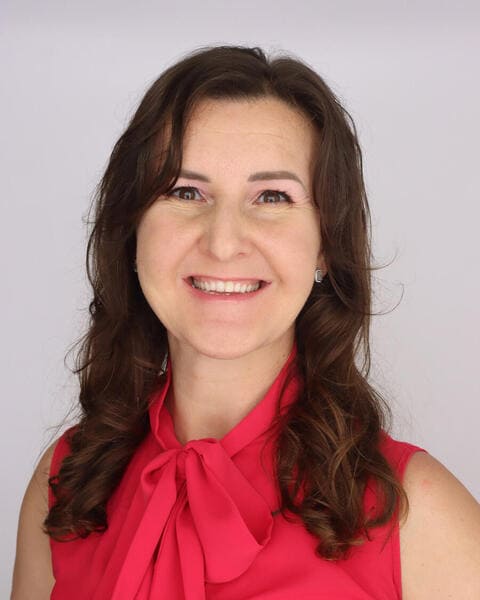
About Dr. Dominika Jegen
Dr. Dominika Jegen M.D., M.A., CCFP(EM), FCFP, DABFM is a full-time family physician practicing in Rochester, Minnesota. She practices full-scope family medicine for all ages including offering prenatal care and obstetrics, and enjoys performing a wide range of clinical procedures. She is also actively involved in clinical research and education at Mayo Clinic.