Clean, safe drinking water doesn’t happen by accident. It’s the result of planning, investment, and coordinated action across agencies, communities, and sectors.
During Safe Drinking Water Week, Freshwater is highlighting the coordinated planning efforts and policy priorities that make safe drinking water accessible and affordable for communities across the state.
A shared framework for complex challenges
Freshwater has long played a role in shaping statewide coordination on drinking water issues. One example is our involvement in developing Minnesota’s Drinking Water Action Plan, which provides a shared framework for protecting drinking water across the state, from source water protection to affordability and infrastructure resilience. The Action Plan reflects a simple reality: Minnesota’s drinking water challenges are interconnected. Aging infrastructure, emerging contaminants, climate impacts, and uneven access affect communities differently. However, these challenges must be addressed together. This kind of coordinated, system-level approach is essential to protecting public health over the long term.
Renewed attention on water infrastructure
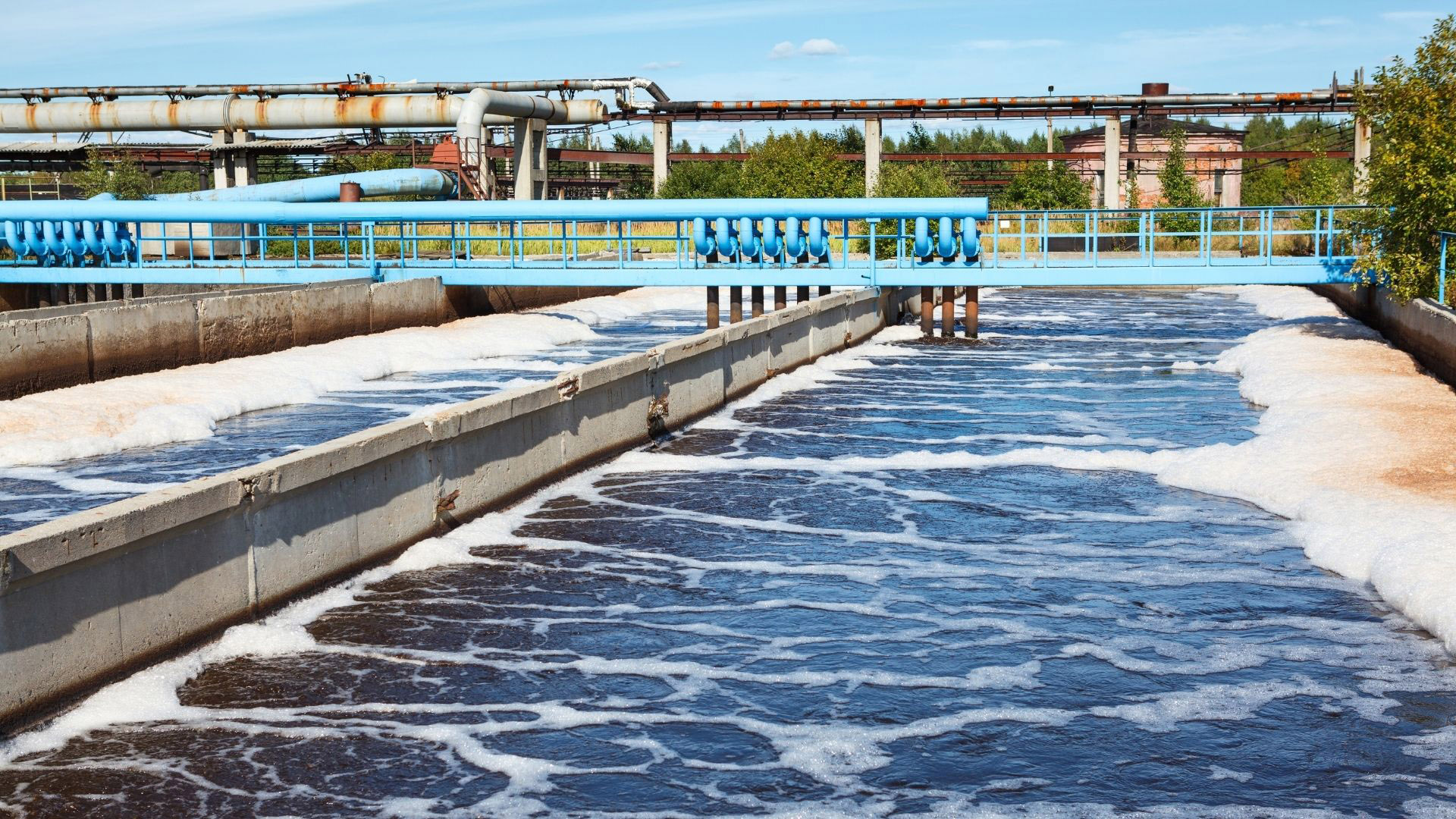
One of the challenges for drinking water protection is reflected in the American Society of Civil Engineers’ 2026 Minnesota Infrastructure Report Card, which assigns the state’s drinking water infrastructure a grade of C minus. The report card points to aging infrastructure, including lead service lines, rising operation and maintenance costs, and growing financial strain on public water systems as key points of concern to address—with an estimated total need of $26.4 billion to strenthen and modernize drinking water infrastructure. It also underscored what water professionals already know: drinking water infrastructure requires sustained investment to remain safe and reliable. Delaying maintenance or modernization only increases long‑term costs and risks, often shifting those burdens onto communities least able to absorb them.
That importance of infrastructure investments is reinforced by recent analysis from the Minnesota Pollution Control Agency. The agency’s 2026 Minnesota Climate Adaptation and Resilience Cost Study found that without additional adaptation efforts, the state could face more than $20 billion in climate‑related impacts each year. Those costs could affect drinking water infrastructure, supply, public health, and community resilience statewide. Importantly, the study also found that adaptation costs far less than the damage it prevents, and Minnesota can act now to invest in cost-effective solutions, which already exist, to yield major long‑term savings.
Turning policy into protection
As a trusted, nonpartisan organization, Freshwater engages directly with elected officials and agency leaders to advance sound, science‑based public policy to protect drinking water, with a focus on collaborative and lasting solutions to these kinds of complex water issues. Our 2026 legislative priorities include:
- Smart design and siting of new high‑volume water users
- Sustained funding for drinking water infrastructure, including support for lead service line replacement
- Protections to ensure safe drinking water for private well owners.
These priorities help ensure that public policy keeps pace with both long‑standing needs and emerging challenges, and that decisions made today protect communities well into the future.
Public support for action
Despite the complex challenges ahead, public opinion research suggests there is strong, bipartisan support for taking action on drinking water. Recent survey findings from the Value of Water Index indicates support for protecting drinking water and modernizing water infrastructure, even as concerns about affordability and trust remain. For example, the survey found that 78 percent of voters supported increased state and local funding for water. These findings reinforce that safe drinking water is a shared value and worthy of sustained investment.
Safe Drinking Water Week is an opportunity to connect the dots between public values, practical plans, and policy decisions that safeguard water for today and future generations. Freshwater’s role is to help turn shared priorities into durable action while bridging science, policy, and community engagement to protect water at the scale required.
Supporting the work that sustains safe drinking water
Long‑term, system‑level progress takes commitment. Support from individuals who care about clean, reliable drinking water makes this kind of work possible. If this approach resonates with you, consider supporting Freshwater with a donation to help advance collaborative planning, smart investment, and durable solutions that protect drinking water for generations to come.
Please reach out to Chris O’Brien at cobrien@freshwater.org if you have any questions about Freshwater’s legislative priorities.