
We are on a mission to inspire and empower people to value and preserve water.
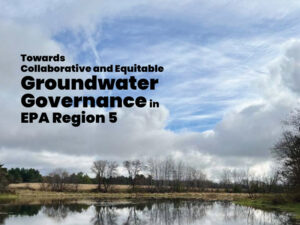 Freshwater releases new report on groundwater governance
Freshwater recently published a new report, Towards Collaborative and Equitable Groundwater Governance in EPA Region 5, concluding our second phase of work on groundwater governance funded by The Joyce Foundation.
The report page also includes a series of related topics that the Freshwater team explored during this 18-month project such as treaties, regional and local groundwater governance, and communicating groundwater science.
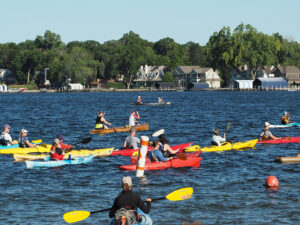 Big Island and Back 10K Paddle August 9 on Lake Minnetonka
Register today for the 12th Annual Big Island and Back 10K Paddle Event on Saturday, August 9!
Tune up your canoe, kayak or paddleboard and head to Excelsior, Minnesota, for a friendly race out around Big Island and back. Our goal is to get paddlers of all ages and skill levels out on Lake Minnetonka for a great community summer event while raising money for clean water. The paddle begins 9 a.m. at Excelsior Public Beach, followed by an after party at Excelsior Brewing Company at 11 a.m. with awards and door prizes.
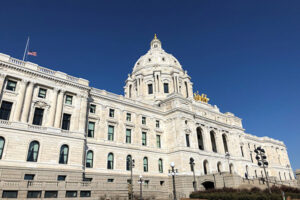 Minnesota water policy outcomes from the 2025 session
Minnesota’s 2025 legislative session yielded progress for state water policy and funding, following a lengthy and unconventional process.
Freshwater worked closely with legislators, state agencies and partner organizations to advocate for a number of initiatives. Here is a look at how our priority issues fared this session, including passage of a bonding bill, siting and development of water-intensive industry, and other water policy items of interest.
 View our 2024 Impact Report
Learn about Freshwater's work this past year, made possible by donors, sponsors and partners who help to support our mission.
Highlights from the past year include working with Tribal partners on groundwater governance, launching Greater Lakes Promise, gathering community input for the Minnesota Drinking Water Action Plan, working to advance circular water systems, advancing state policy around nitrate contamination, and embarking on a statewide adaptation of the Minnesota Water Stewards Program.
 Policy and planning is critical for data centers and large water users
As the use of artificial intelligence continues to rise, so does the demand for hyperscale data centers, which can use millions of gallons of water each day for cooling. Legislators, along with state and local governments, are wrestling with how to promote responsible economic development while protecting water supplies for the long term.
Freshwater is tracking this issue closely, coordinating with our partners, and sharing potential policy and planning solutions. View this fact sheet to learn more.
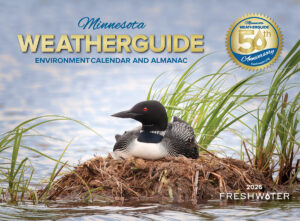
Coming soon: Our 50th Anniversary Weatherguide!
The 50th Anniversary edition of the Minnesota Weatherguide Environment Calendar and Almanac will be available online, at local retailers and at the Minnesota State Fair in August.
Published by Freshwater in partnership with KARE 11, Minnesota Public Radio and Jeffers Foundation, the Weatherguide features stunning photography and a wealth of information about the natural world. We're also planning a 50th Anniversary celebration for this fall, so stay tuned for details!
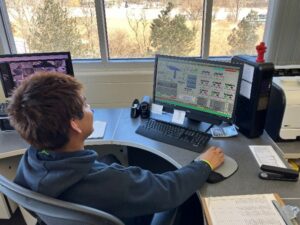
Apprenticeship programs make waves for the water workforce
The Cities of Chaska and Plymouth are leaning into developing the next era of the water workforce and are exploring what it means to run successful apprenticeship programs – with different approaches. Their goal remains the same: to make it easier and more accessible for people to join secure, well-paying careers in the water workforce.
Read more on the Freshwater blog, and visit our Water Workforce Pathways page. This program connects across public and private sectors to increase visibility and access to jobs in the water industry.
 Minnesota Water Stewards program to go statewide
It’s a time of change for the Minnesota Water Stewards program! Recent conversations with current and potential partners, as well as Stewards and program supporters, show a clear path forward.
In response to the changing needs and constraints of our Twin Cities area partners, and expanding interest throughout the state, we are adapting Minnesota Water Stewards into a more affordable, sustainably funded online program that will be widely available across the state and region.
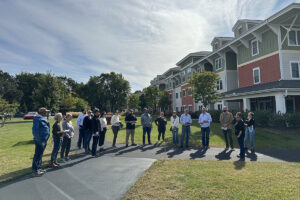
Site visits provide valuable learning on stormwater reuse
Last fall, Freshwater co-hosted three visits to stormwater reuse sites with the cities of Waconia, Hugo and Woodbury, Minnesota. The goal was to invite attendees to see the sites firsthand and ask questions about their design, operation and maintenance.
Visit the Freshwater blog for some key takeaways from these interactive sessions, along with details about each site.
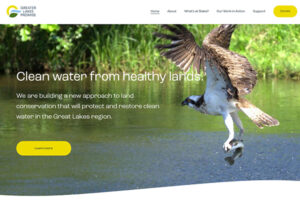 Greater Lakes Promise supports clean water through healthy lands
Freshwater is leading an innovative partnership for clean water called Greater Lakes Promise. With support from the Great Lakes Protection Fund, the project includes several land trusts collaborating on a regional approach to land protection around the Great Lakes.
Using state-of-the-art watershed modeling paired with local insights, our team selects high priority lands for conservation. These lands are then permanently protected with funding generated by individuals and businesses who live and work in the region.
Freshwater gathers input for Minnesota Drinking Water Action Plan
The Minnesota Department of Health is developing a 10-year action plan to better manage drinking water, and Freshwater played a key role in engaging water professionals and community members.
This work is outlined in two reports: Lessons from Drinking Water Professionals: An Assessment of Drinking Water Governance in Minnesota and Minnesota Drinking Water Action Plan Community Engagement Feedback. These insights will help guide policies to protect drinking water in Minnesota.
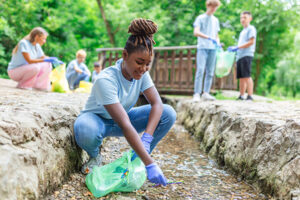 Fight plastic pollution with Adopt a River
We invite you to help clean up plastics and other litter around a lakeshore, riverbank or neighborhood street near you.
Check out our Adopt a River toolkit for resources and tips on how to organize a community cleanup. It's easier than you think, and it can make a big difference. Thanks for joining together and helping keep our waters clean!
Explore water news and resources
Members, this is your one-stop shop for Freshwater news and happenings! Click through and check it out.

Purchase your Weatherguide Environment Calendar and Almanac at a retailer near you!
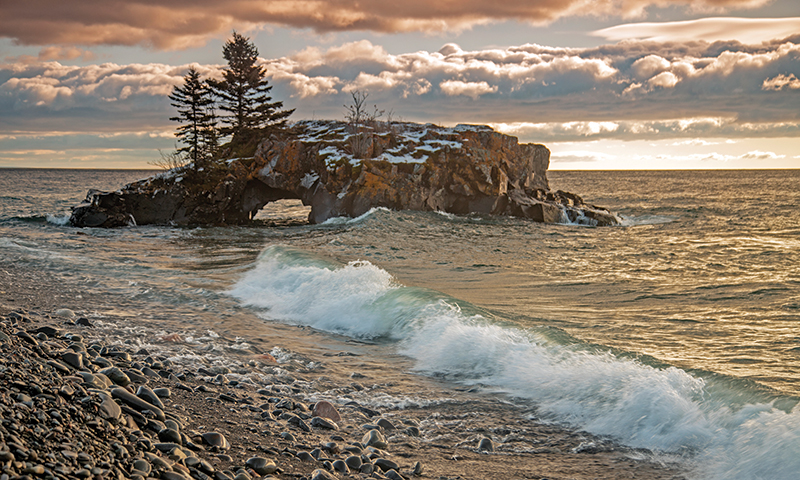
Beautify your instagram feed
Be sure to follow Freshwater on Instagram for water news and some fantastic photos! Photo credit for this image: Jon Wood
Support Freshwater
Your support is instrumental in protecting the lakes, streams and drinking water we all value.
Invest in the future of clean water with a charitable gift today.